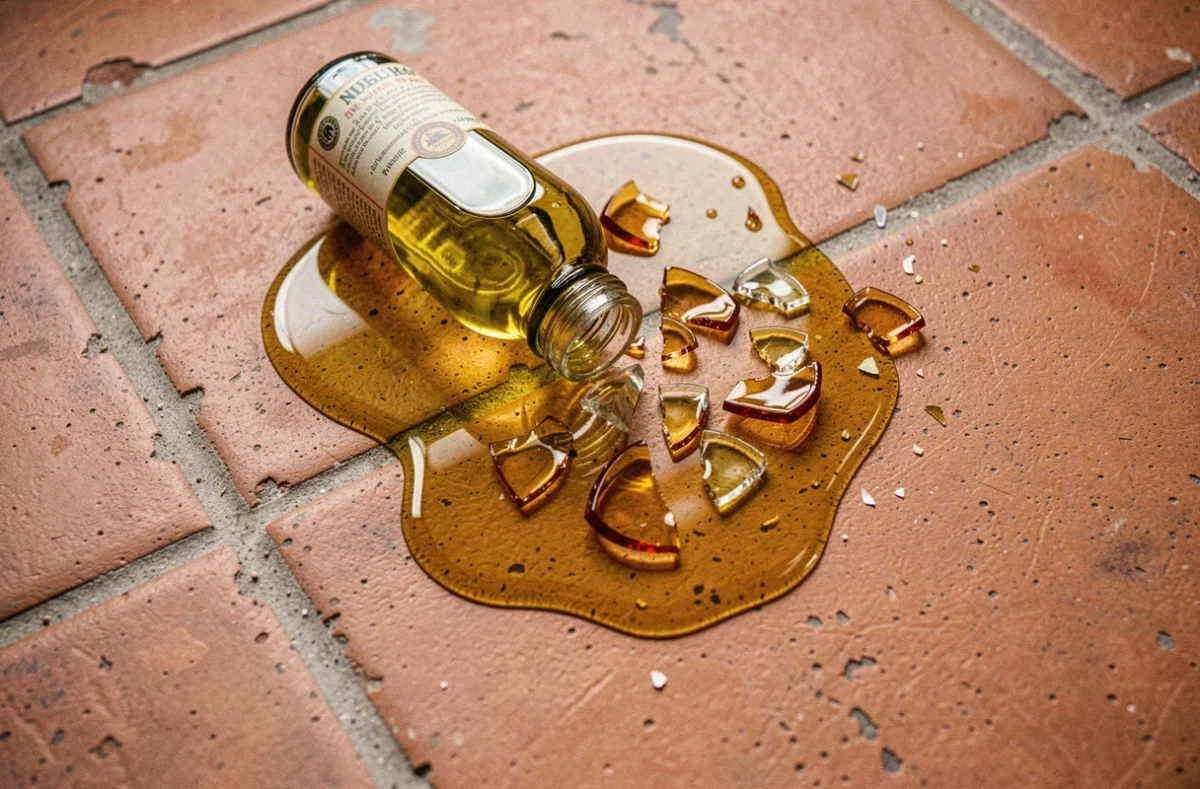
An olive oil bottle slips from the hands, shatters on the tile, and the first reflex is not always to reach for the mop. In several Mediterranean cultures, this type of domestic accident triggers a reaction that is much older than the concern for cleanliness. Olive oil, a sacred product since antiquity, carries with it a dense network of popular beliefs that vary from country to country, region to region, and sometimes even from village to village.
Olive oil as a sacred substance in Mediterranean traditions
Before discussing omens, it is essential to understand why olive oil is not an ordinary liquid. In the ancient Greek world, it was used to anoint athletes, kings, and the deceased. Religious texts, whether Christian, Jewish, or Muslim, attribute a spiritual dimension to it that few foods possess.
This symbolic weight explains why spilling or breaking its container is not merely an accident. To lose olive oil is to waste a substance that centuries of tradition have rendered almost sacred. The discomfort felt by many people in the face of such incidents is not coincidental.
When searching for the meaning of breaking an olive oil bottle, one encounters interpretations that range from negative omen to sign of renewal, depending on the consulted tradition.
Superstitions surrounding spilled oil: what Italians, Greeks, and Cypriots believe
In Italy, spilling olive oil is considered a sign of bad luck, sometimes compared to breaking a mirror. In Apulia and Sicily, the belief is strong and accompanied by specific gestures to ward off misfortune.
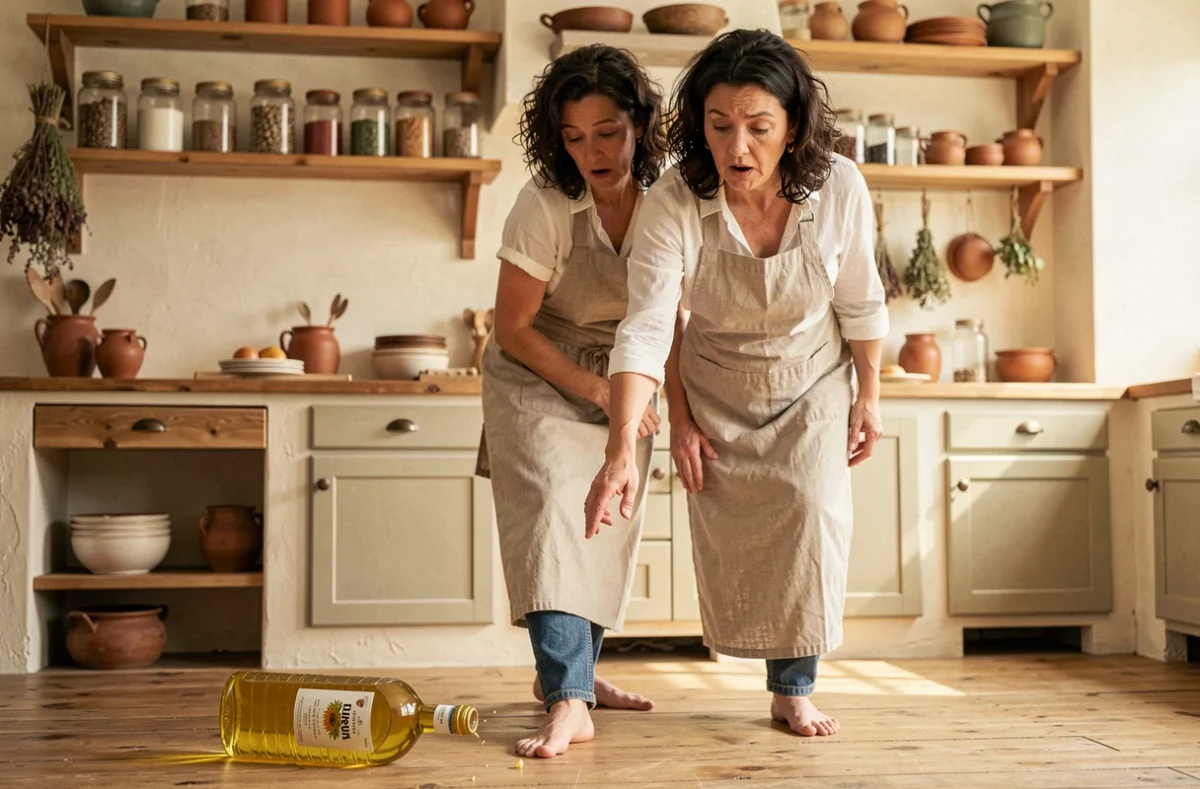
In Greece, the superstition also exists, but it takes on an Orthodox religious dimension. Spilled oil can be interpreted as a warning, a sign that something negative is approaching. The traditional response often consists of making the sign of the cross or reciting a prayer.
In Cyprus, a belief still practiced today goes further. It is advised not to carry olive oil outside after sunset. Darkness would make the substance vulnerable to negative influences. Breaking a bottle at night would therefore be doubly harmful.
In the Balkans, the situation is more nuanced. Discussions among residents of Serbia, Croatia, or Bulgaria show that the superstition surrounding olive oil is less prevalent than that related to spilled salt, probably because the olive tree grows little there.
Regional variations that change everything
The same belief can reverse depending on the context. Here are the main interpretations of spilled oil or broken bottles:
- Sign of bad luck in Southern Italy: the loss of oil signals financial or family difficulties, and the remedy consists of throwing salt over the left shoulder
- Sign of purification in Greece: some villages interpret flowing oil as a release, the idea being that evil leaves the house with the liquid
- Neutral sign in non-Mediterranean Balkans: olive oil does not carry the same cultural weight, so the accident remains a simple domestic inconvenience
Evil eye and olive oil: the ritual of water and drops
One of the lesser-known aspects in France concerns the use of olive oil as a tool for diagnosing the evil eye. This ritual, still practiced in southern Italy and Greece, reverses the logic: instead of fearing spilled oil, it is intentionally allowed to flow.
The principle is simple: a few drops of oil are placed in a bowl of water, and then the way they disperse is observed. If the drops remain clustered, the person is not affected by the evil eye. If they spread out or fragment, the diagnosis is made.
In Sicily, this ritual is called “pigghiata a r’occhiu”. It combines the drops of oil in the water with codified gestures on the person’s head and neck, accompanied by specific prayers. The bowl of water and oil must then be thrown far from the house to prevent evil from returning.
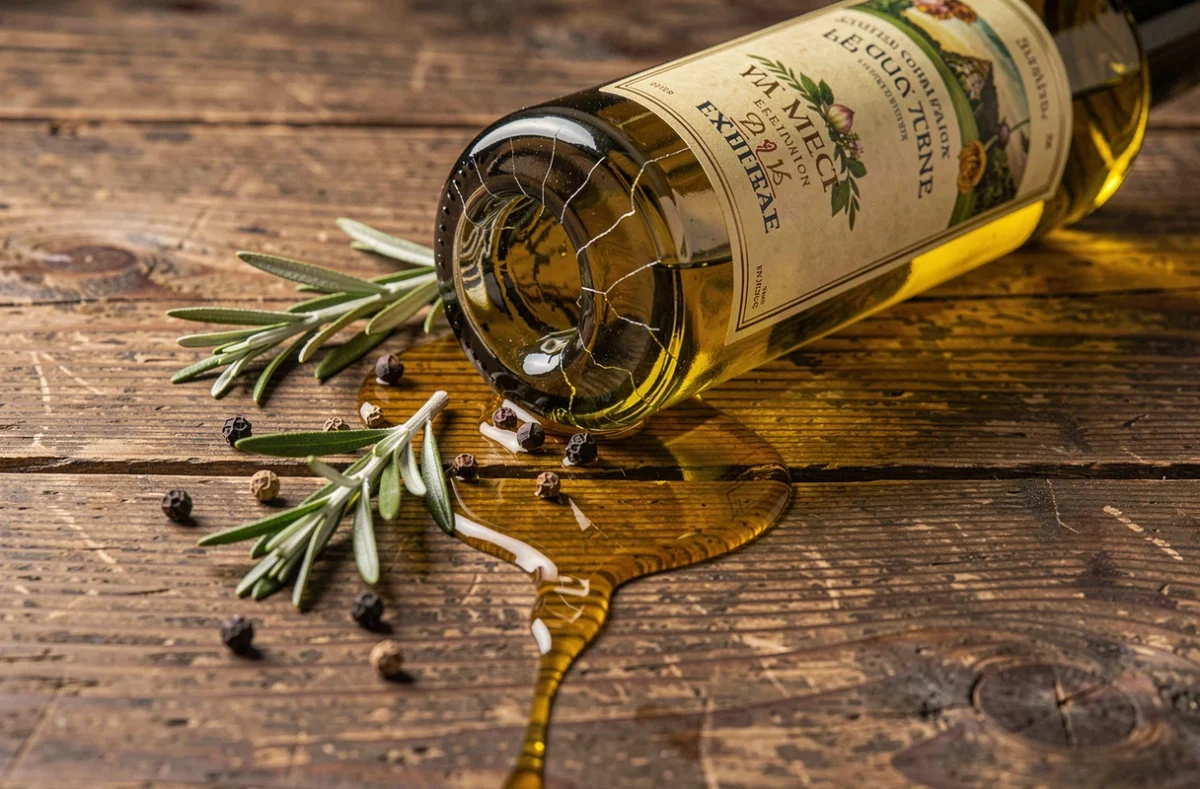
The Greek Orthodox tradition of vaskania relies on a similar mechanism. Olive oil serves as a divinatory medium, not just a condiment or symbol. This ritual function partly explains why accidentally breaking a bottle causes so much concern: one does not lose a mere food item, but a protective instrument.
Popular beliefs and daily life: should we believe in them?
Have you ever noticed that these superstitions almost always concern involuntary actions? One does not fear pouring oil into a pan, but dropping it. The distinction between a voluntary act and an accident is at the heart of superstitious logic.
The omen works because it escapes control. Oil that flows without intention becomes a message, a sign that something external is acting. It is this loss of control that transforms a mundane accident into a meaningful event.
From an anthropological perspective, these beliefs serve a specific function. They provide an explanatory framework for random events and propose concrete gestures (throwing salt, praying, distancing contaminated water) that allow one to regain control. Superstition is less about credulity than about managing uncertainty.
Whether one believes in them or not, these traditions reveal the central place of olive oil in the Mediterranean collective imagination. A product that serves to cook, heal, pray, and diagnose the evil eye is not an ordinary product. When its bottle breaks, all this symbolic heritage spills onto the ground with it.