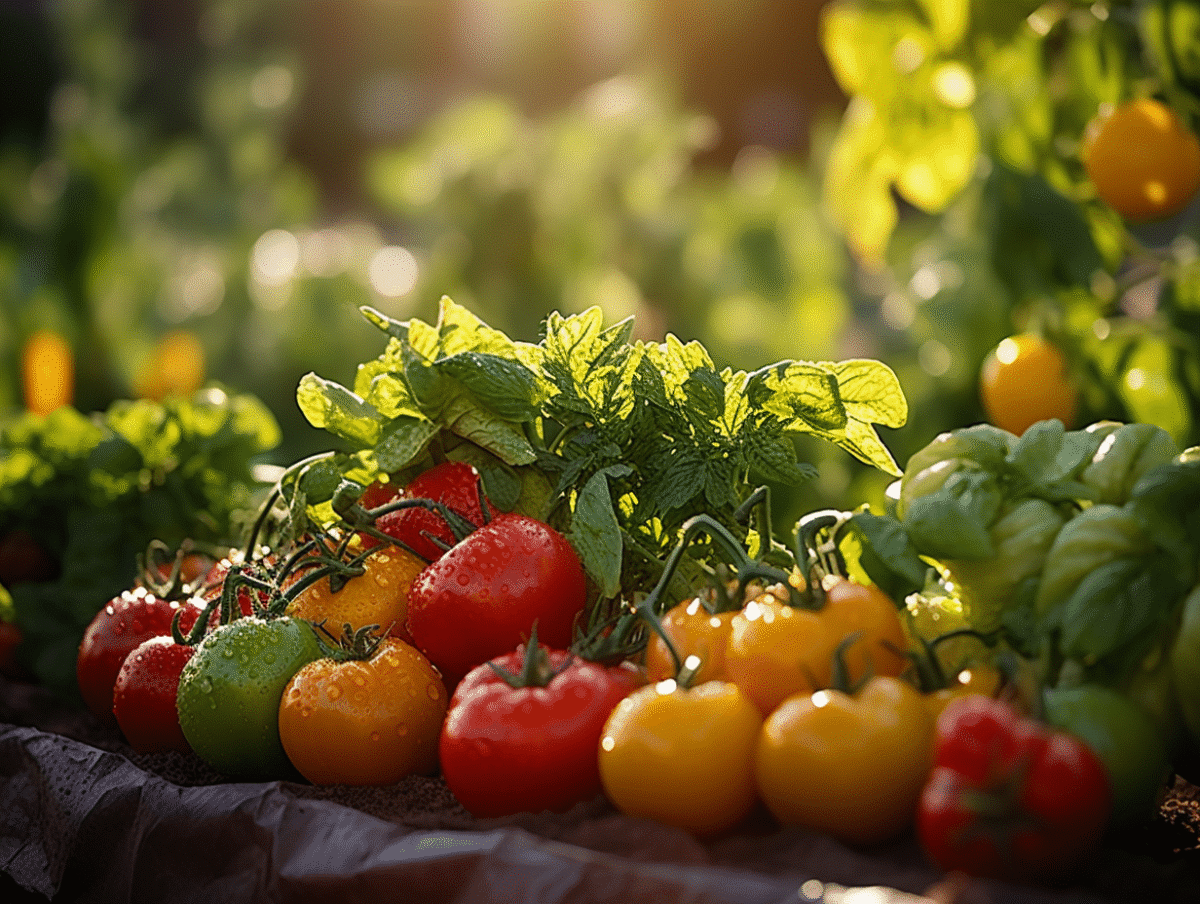
In the quest for food self-sufficiency and sustainable gardening practices, both amateur and experienced gardeners are constantly seeking methods to increase the yield of their vegetable gardens. One of the oldest and most natural techniques is the companion planting of vegetables. This practice, which involves growing complementary plants together, can optimize space usage, enrich the soil, control pests, and even enhance the flavor of the harvests. It relies on understanding the specific needs of each plant and their beneficial interactions to create a balanced and productive ecosystem.
The Principles of Companion Planting for a Productive Vegetable Garden
Permaculture, an agricultural approach that works in harmony with nature, is making its way into the gardens of those eager to increase their self-production. At the heart of this approach, crop associations prove to be significant allies in maximizing space optimization and productivity in the vegetable garden. Phytosociology, the science that studies plant interactions, provides valuable data to understand the relationships between different plant species and exploit their natural affinities.
Among the various vegetable gardening techniques, the chard-tomato association perfectly illustrates the benefits of good companionship: chard, with its broad leaves, can limit the growth of weeds around the tomato, while the tomato, in turn, by its height, protects the chard from excessive sun exposure. These interactions help reduce the need for fertilization and watering, while limiting the use of treatments against diseases and pests.
Gardeners looking to increase their self-production find that crop associations offer benefits such as reduced diseases and pests. Permaculture utilizes these associations to apply space optimization techniques, such as mound planting or lasagna gardening, which promote biodiversity and improve soil structure. So take the time to plan your vegetable garden by considering the affinities between plants, for a garden that is not only productive but also resilient and harmonious.

Strategies and Examples of Effective Vegetable Associations
Let’s decode the practices that transform the vegetable garden into a laboratory of intensive organic micro-agriculture. This approach, advocated by systems like permaculture, is based on clever management of space and resources. Intercropping, for example, allows for the mixing of main and secondary crops, thereby optimizing every piece of land. A study conducted by the University of Caen reveals that such methods can significantly increase productivity in the vegetable garden.
At the heart of these strategies lies the vegetable association chart, an invaluable tool for the gardener. It guides the implementation of intercropping, allowing for precise planning of which species to plant side by side to benefit from their beneficial interactions. The juxtaposition of carrots and onions creates a natural barrier against certain pests, while crop rotation prevents soil depletion and the proliferation of plant-specific diseases.
The methods of crop succession fit into this chart as a lever for accelerating production. Seeding and transplanting techniques are used to quickly chain crops together, leaving no downtime in the vegetable garden. Intensive organic micro-agriculture, according to studies, can be up to seven times more productive than traditional agriculture. Consider these techniques for a garden that is teeming with life, where biodiversity and soil fertility mutually reinforce each other.