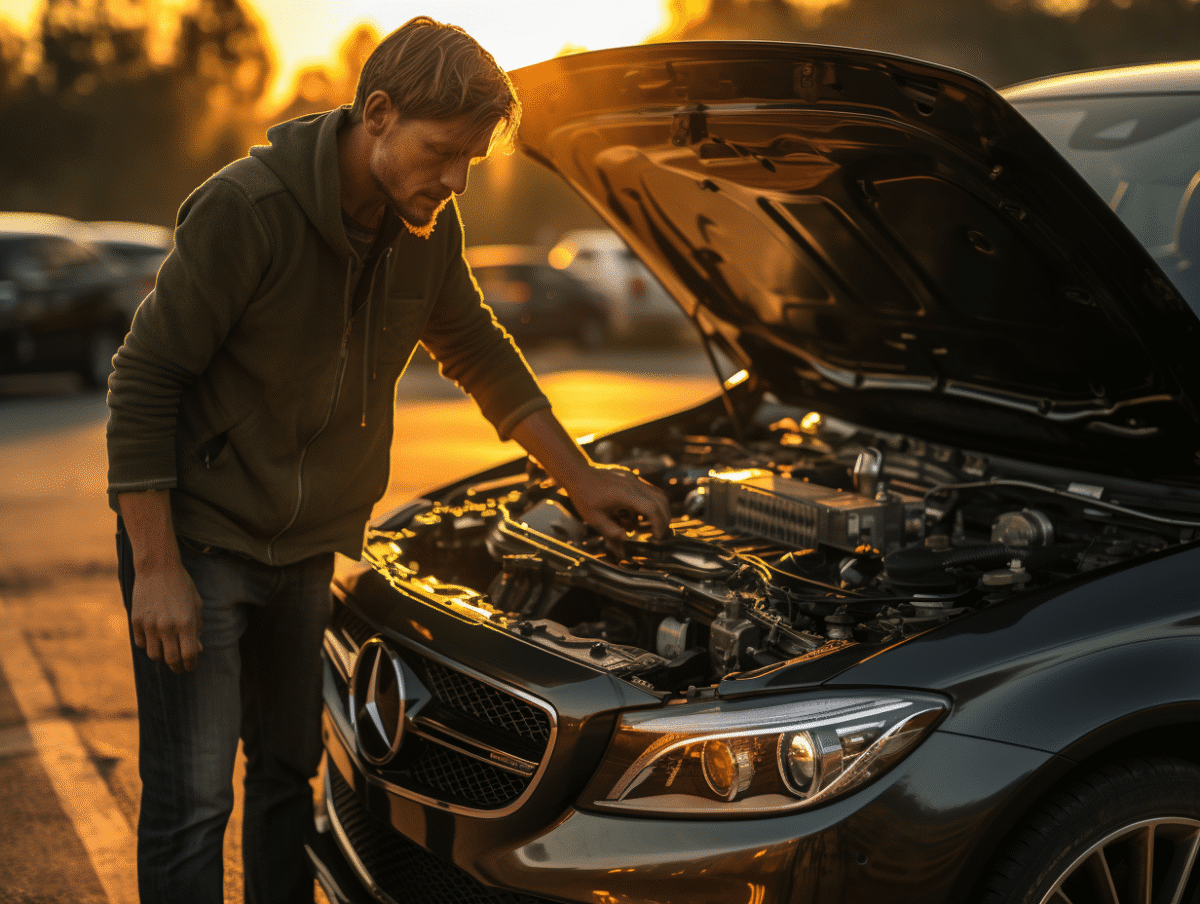
On the daily roads, drivers face a range of potential mechanical failures, each of which can significantly impact safety and the driving experience. From battery issues to brake system malfunctions, engine troubles, or transmission anomalies, car breakdowns are as varied as they are disruptive. These incidents not only hinder the proper functioning of the vehicle; they also pose a risk to the safety of passengers and other road users, not to mention the sometimes high repair costs that may ensue.
Common car breakdowns and their impact on safety and performance
Common car breakdowns prove to be real obstacles to the safety and performance of vehicles. Europ Assistance emphasizes that the most frequent interventions concern issues with the engine, battery, and starting system. These malfunctions are not trivial: a faulty battery can leave a driver stranded on the roadside, while an engine failure in heavy traffic can be dangerous, even fatal. Engine overheating, often due to a lack of coolant, can lead to perilous situations, necessitating the immediate stopping of the vehicle to avoid more significant damage.
The question arises: can you drive with a faulty ECU? The answer is categorical: no. The ECU is the brain of the vehicle, managing vital functions such as fuel injection, ignition, and the pollution control system. Driving without an operational ECU risks a sudden breakdown, with potentially disastrous consequences for the safety of all road users.
In the face of these frequent breakdowns, prevention is key. Following regular maintenance, being vigilant about the battery’s condition, monitoring coolant levels, and paying attention to warning signals on the dashboard are simple yet effective measures to minimize the risk of breakdown. Adhering to these maintenance tips can spare drivers from emergency situations and ensure a safer, more reliable driving experience.

Maintenance tips and preventive measures to avoid breakdowns
Regular vehicle maintenance is the first line of defense against mechanical failures. Automotive maintenance experts recommend periodic checks of essential components such as brake pads, fluid levels, and the condition of tires. Significant wear on the pads can lead to deterioration of the brake discs, compromising your car’s ability to stop safely. Similarly, under-inflated or worn tires hinder road grip, increasing the risk of accidents.
The gearbox, often overlooked, also requires special attention. Optimal functioning of this component is imperative to ensure smooth and precise gear changes. Ornikar Assurance highlights the importance of an insurance policy tailored to the driver’s profile, including specific assistance for transmission issues that may arise unexpectedly.
Observing the signals on the dashboard should not be underestimated. These indicators provide valuable information about the health of your vehicle. Do not ignore these warnings; a lit check engine light or an oil pressure alert requires immediate professional assessment. Incorporate these maintenance tips into your routine to ensure a smooth driving experience and obtain a favorable rate from your insurer, rewarding a responsible and preventive approach.