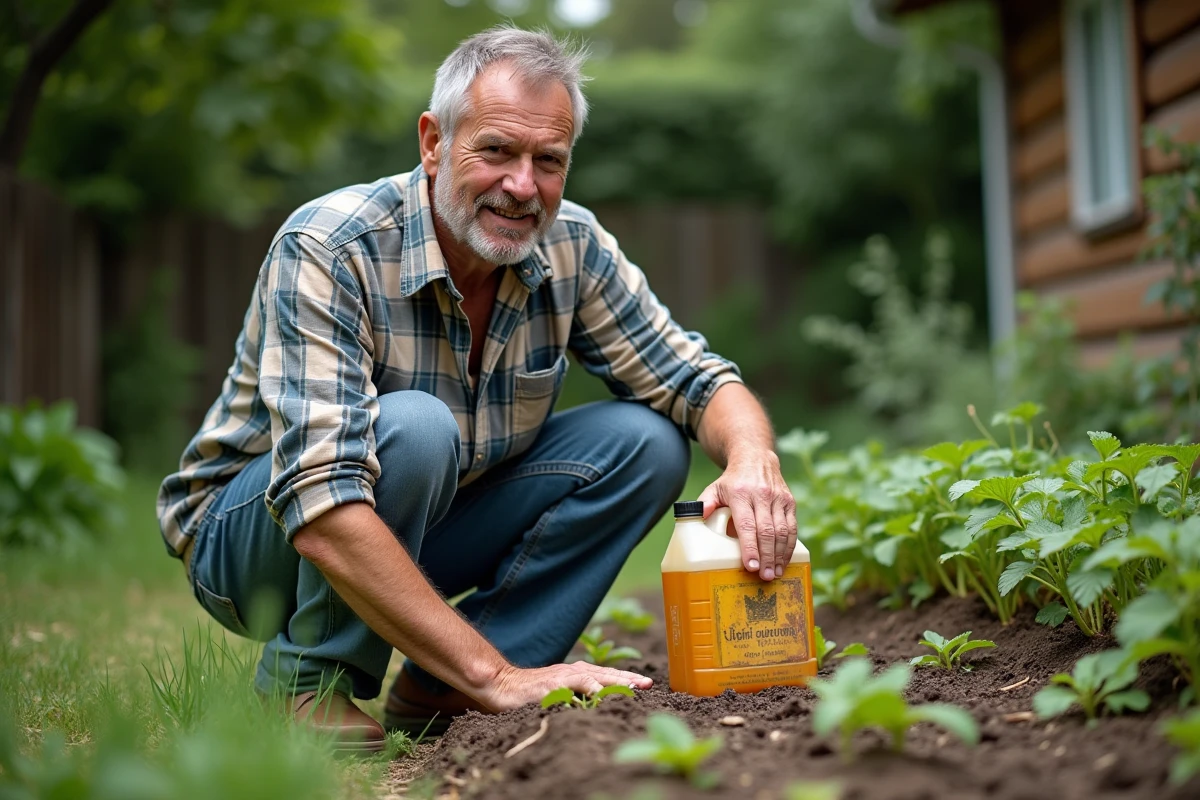
In France, the use of unapproved products as herbicides, including coolant, constitutes an offense punishable by heavy fines. This practice, although observed in some private gardens, persists despite formal prohibition and warnings from health authorities.
Antifreeze contains toxic substances that persist in soils and groundwater, posing a danger to biodiversity and human health. Residues of glycol and chemical additives accumulate and severely disrupt local ecosystems. Eco-friendly alternatives, better regulated and with no comparable risks, now offer viable solutions for maintaining green spaces.
Why coolant has no place in your garden
Some gardeners, in search of radical solutions, sometimes use herbicide based on coolant. This product, originally developed to preserve diesel engines, contains a problematic substance: ethylene glycol. Its toxicity affects all living beings, from earthworms to owls, not to mention the flora and water quality. Far from being limited to the destruction of unwanted weeds, the action of these products extends to the contamination of groundwater, soil sterilization, and the disruption of natural balances.
The Labbé law strictly regulates the use of chemical substances in gardening. Whether it is AdBlue, hydrochloric acid, or coolant, their use for weeding is formally prohibited. Without Marketing Authorization (MA), usage results in a fine and exposes the user to legal sanctions. These diverted products guarantee neither health safety nor environmental preservation.
The herbicide based on coolant makes no distinction: it destroys ornamental plants as well as vegetables, rendering the soil inhospitable to all plant life. The Rural Code ensures the preservation of biodiversity and enforces strict rules to limit the damage caused by such substances. Behind the temptation of “all chemical,” it is the balance of the garden that is threatened, with visible consequences over time.
What are the concrete risks for the environment, plants, and health
Using coolant as an herbicide exposes each plot to a chain of lasting damage. Ethylene glycol, the main component, penetrates the soil, then descends to the groundwater and waterways. This invisible but persistent pollution weakens the already strained water resource. Deprived of its microfauna, the soil loses its ability to regenerate: earthworms, fungi, bacteria—all these essential players in fertility gradually disappear.
The plants also suffer the effects of these substances. The destruction does not stop at troublesome weeds: flowers, young trees, vegetables—everything that grows is threatened. Once pollinators and birds become scarce, biodiversity collapses, leaving dead and sterile areas that take seasons to regain a semblance of balance.
The consequences for human health are far from negligible. A simple contact with coolant can lead to burns, irritations, or even severe poisoning. Children, pets, and garden wildlife face real risks. An innocuous gesture, like bringing a hand to the mouth after touching a contaminated plant, is enough to cause vomiting, neurological disorders, or kidney damage.
Here are the main damages caused by this type of use:
- Durable pollution of soils and water
- Destruction of microfauna and depletion of the ecosystem
- Health risks for humans and animals
Contamination sets in slowly, but its effects endure. Using this herbicide is not just about eradicating weeds: it is about ruining the vitality of the soil, compromising the health of the neighborhood, and jeopardizing the future of natural resources.
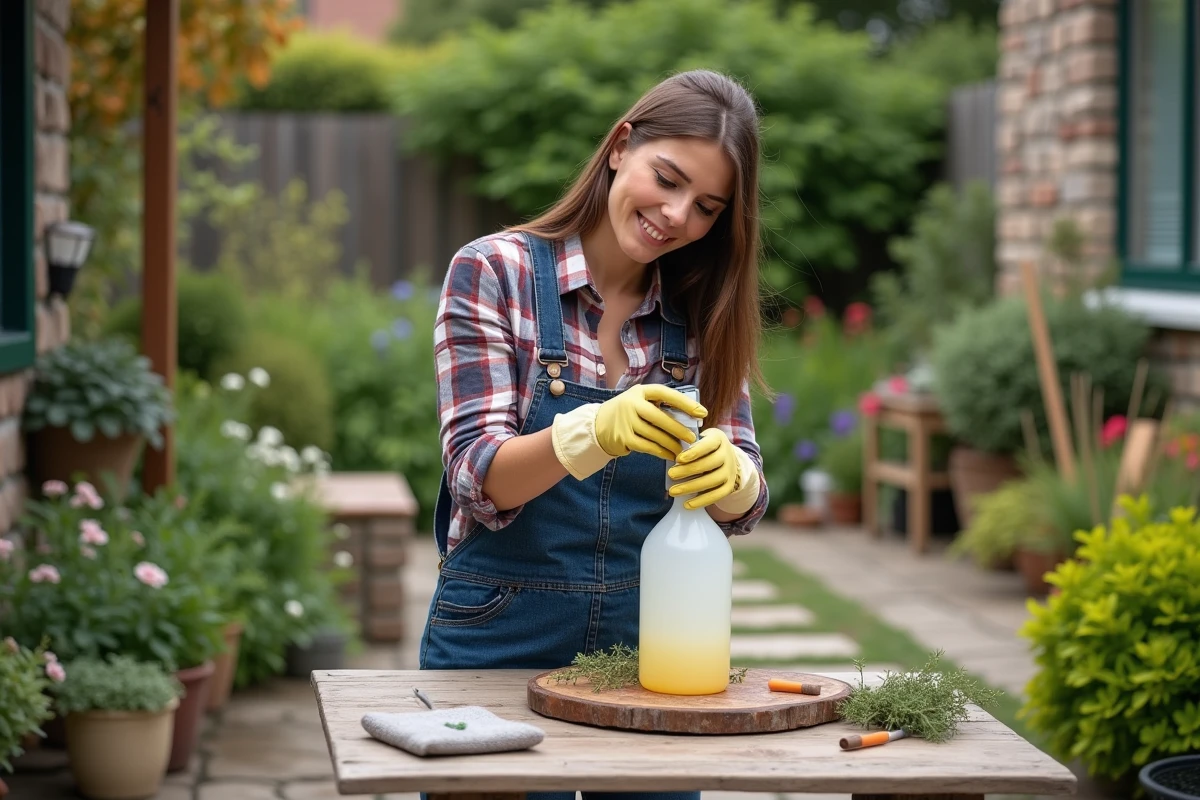
Natural alternatives for weeding without polluting
There are natural solutions to limit the growth of unwanted weeds without compromising soil quality or biodiversity. Manual weeding, for example, offers a direct approach: pulling plants out by their roots helps preserve soil structure and observe the life developing within it. Tools like the hoe or weeding knife make the operation easier on small areas.
Mulching is another strategy. By covering the ground with straw, wood chips, or clippings, light necessary for the germination of weeds is blocked. This technique protects microfauna, retains moisture, and enriches the soil over time. Applying boiling water on young shoots, especially along paths, targets troublesome plants without leaving a toxic trace.
For larger areas, thermal weeding is essential: brief exposure to heat destroys the cellular structure of surface weeds, causing them to dry out quickly. Finally, certain biocontrol solutions like pelargonic acid or iron phosphate have EAJ (Authorized Use in the Garden) approval and present a low toxicological profile.
These methods can be combined for greater effectiveness:
- Manual weeding: precision, respect for the soil
- Mulching: blocks light, nourishes the soil
- Boiling water: simple, quick, safe
- Thermal weeding: suitable for large areas
- EAJ biocontrol products: effectiveness and safety
However, be cautious with improvised recipes based on vinegar or baking soda: Anses reminds us that these mixtures can harm soil fauna and surrounding flora. To preserve the richness of the garden, it is better to rely on solutions recognized by the French Office for Biodiversity. Choosing respect and vigilance is also choosing a living garden, ready to endure.