Planting perennials suited to the local climate reduces annual maintenance time by half. A soil that is too rich encourages the growth of weeds at the expense of the chosen species. Robust ground covers effectively compete with unwanted grasses without chemical intervention.
Choosing mineral mulch instead of organic mulch limits the proliferation of pests and harmful insects. Watering infrequently but abundantly strengthens the plants’ resistance to drought, unlike frequent and superficial watering.
Why aiming for an easy-to-live garden changes everything in daily life
A garden is not just a series of aligned plants or a few decorative accessories. It shapes a living space, connects the home and terrace, provides a playground for children, a quiet corner for adults, a bubble of intimacy for everyone, while encouraging biodiversity. When the layout is well thought out, every daily action becomes simpler, and maintenance turns into an enjoyable moment.
Wise choices, such as prioritizing climate-appropriate plants, designing fluid pathways, or selecting furniture built to last, affect the longevity and ease with which one cares for their garden. Movement occurs naturally, without trampling the lawn or damaging the flower beds. A well-designed garden shed allows for the storage of tools and accessories, freeing up outdoor living spaces. Children enjoy a protected area to play, while adults settle down peacefully under a pergola or gazebo, away from prying eyes.
The choice of plants is never trivial: it’s better to bet on local, perennial, or evergreen species that structure the decor throughout the year, resist diseases, and consume little water. A hedge protects from the wind and filters out prying eyes. Each season directs priorities: watering, pruning, planting. This balance limits the workload and keeps the garden alive without overexertion.
To go further, discover Tout pour le Jardin offers concrete ideas: landscaping guides, decor ideas, maintenance tips, selections suitable for all budgets. A garden is built over time, adjusts to everyone’s needs, and is appreciated over the years.
What practical tips for designing an outdoor space without constraints?
For a garden that manages itself or almost, a few solid principles make a difference from the first designs. Mulching, for example, proves to be an ally of the soil: it retains moisture, lightens watering sessions, slows the growth of unwanted grasses, and nourishes the earth over time. Choosing natural materials like wood chips, bark, or hemp offers effectiveness and environmental respect.
Perennial plants, local and adapted to the weather, require little attention while promoting biodiversity. Replacing traditional grass with ground covers in difficult areas simplifies maintenance, while evergreens provide relief to the garden all year round.
Here are some ideas to structure and organize the space without complicating life:
- Install borders and planters to separate areas, channel plant growth, and play with volumes.
- Focus on vertical supports: trellises, pergolas, and gazebos welcome climbing plants, provide shade, and create cozy corners for relaxation.
A storage box or outdoor shelf helps clear the terrace, keeping tools and accessories within reach but out of sight. Lighting also contributes to the comfort of the garden. Solar lamps, LED strings, or lanterns guide footsteps, extend evenings, and make the space safer. Each style has its signature: zen, Mediterranean, or contemporary, each has its palette of materials and plants to bring its desires to life.
To go further and refine each choice, the site Tout pour le Jardin is full of advice suitable for all budgets. It offers ideas to combine aesthetics and ease of maintenance, without sacrificing pleasure or durability.
Practical tips for maintaining your garden without spending your weekends on it
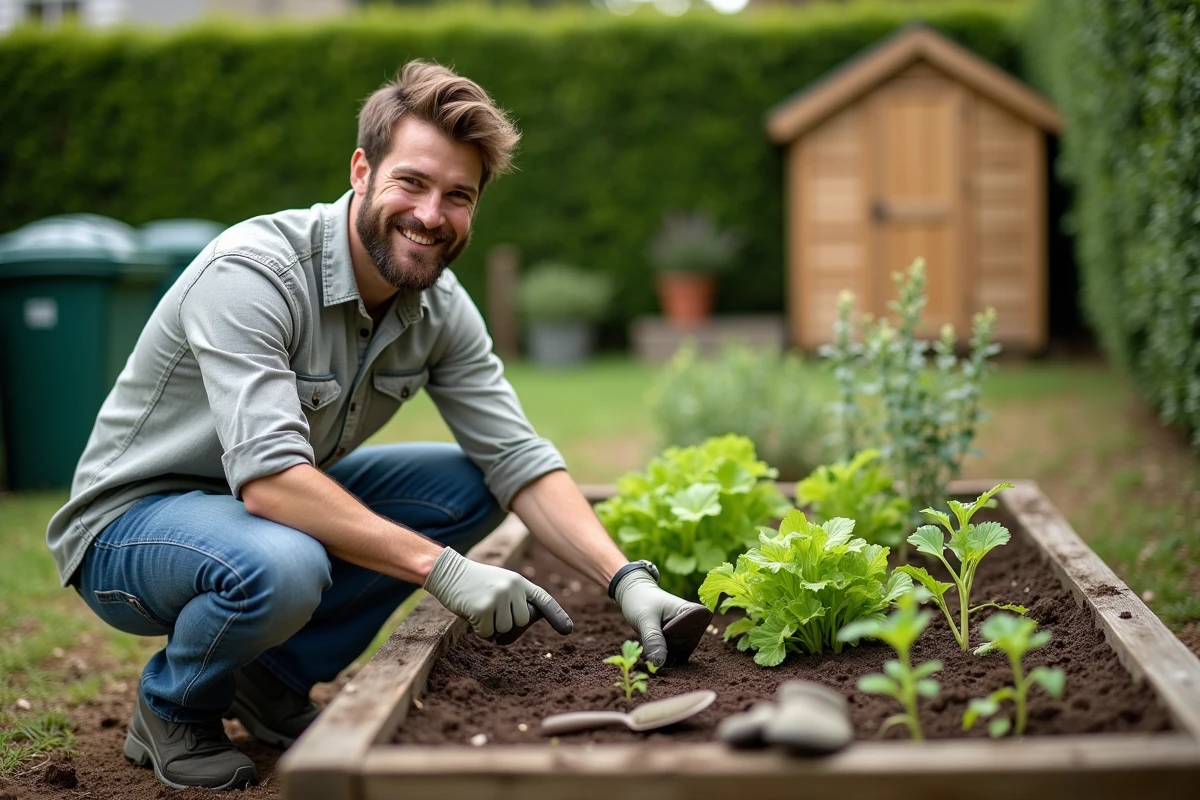
Saving time in the garden also means knowing how to optimize every action. It all starts with suitable, well-maintained tools: a sharp pruner, a clean spade, a shed where everything is in its place. This avoids unnecessary fatigue and allows for more efficient work. Distributing tasks according to the season helps prevent being overwhelmed: pruning at the right time, mowing when the soil is dry, grouping interventions to limit back-and-forth trips.
Mulching works wonders to limit weeding: fewer weeds to pull, less watering to plan, the soil retains its structure. Installing an automatic or drip irrigation system ensures that each plant receives what it needs without daily effort. A quick glance at the weather is enough to adjust water supplies: water less in case of rain, adjust during dry periods.
Maintaining a healthy garden also involves simple and natural actions. Compost enriches the soil and reduces green waste. Natural fertilizers, nettle manure, or black soap protect against diseases and pests, without risk to the environment. Encouraging the presence of beneficial creatures, hedgehogs, ladybugs, birds, helps limit nuisances without chemical intervention. Varying crops in the vegetable garden helps preserve soil fertility and avoid the spread of diseases.
Here are some habits to adopt to keep a garden in shape without excessive effort:
- Weed regularly but not excessively: a few minutes each week are enough to maintain control.
- Protect sensitive plants from the cold with an appropriate cover during winter.
- Take care of furniture and the terrace with the appropriate products: each material, wood, metal, resin, has its requirements if one wants it to last over time.
The most beautiful garden does not require sacrificing weekends. By anticipating, planning, and letting nature do part of the work, pleasure takes precedence over chore. One ends up savoring every moment outside, without ever dreading the next maintenance session.